
Knowing how to clean a felt hat is essential for anyone who appreciates the timeless style and comfort these accessories provide. Shop felt & wool hats built to keep their structure through cold-weather wear.
Regular cleaning felt hats prevents dirt buildup and preserves the fabric’s integrity. Without proper care, fibers can weaken or discolor, diminishing both look and function.
Two common types of felt hats are:
- Wool felt hats: Made from pressed wool fibers, known for breathability and softness.
- Fur felt hats: Crafted from animal fur such as rabbit or beaver, prized for smoothness and water resistance.
Both varieties enjoy popularity due to their comfort, durability, and ability to offer protection from elements while complementing various styles. This guide explains effective methods tailored specifically for these materials to ensure your felt hat remains in optimal condition.
For a deeper understanding of the differences between fur felt and wool felt hats, it's important to know that each type has its own unique characteristics.
Additionally, knowing how to clean a felt hat also requires understanding finishes like water-repellent wool felt.
Understanding Felt Hats and Their Materials
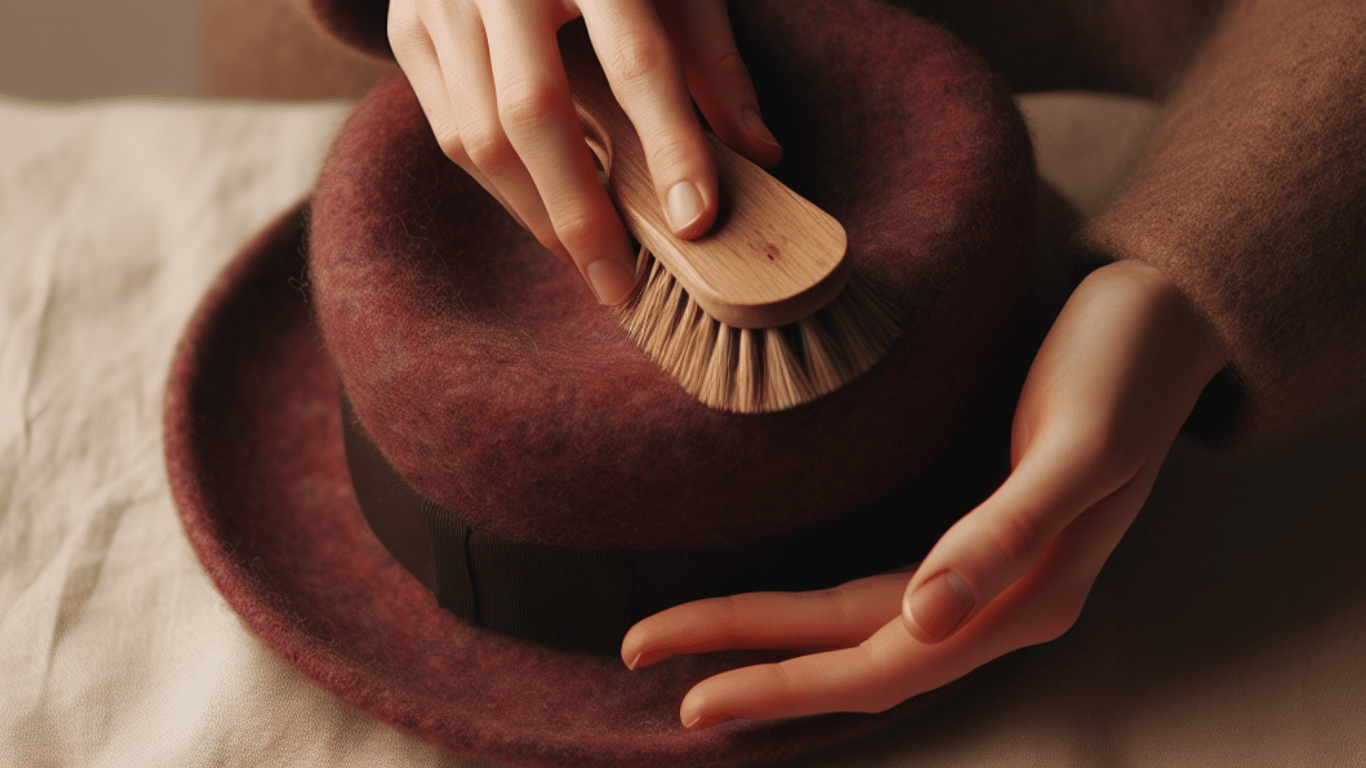
Felt is a textile produced by pressing and matting fibers together, typically derived from animal fur or wool. This process creates a dense, durable fabric that forms the foundation of many classic hats.
The materials and care of felt hats depend significantly on whether the felt originates from wool or fur, each offering distinct qualities.
Unique Properties of Felt
Felt has several unique properties that make it an ideal material for hats:
- Insulation: Felt naturally traps air within its densely packed fibers, providing excellent warmth without excessive weight.
- Moisture-wicking: The fabric can absorb moisture while allowing it to evaporate, helping maintain comfort in varying weather.
- Flame resistance: Felt fibers resist ignition better than many other fabrics, adding a measure of safety.
- Sound absorption: Its dense structure dampens sound, contributing to quieter environments when worn.
Wool Felt Hat vs. Fur Felt Hat
There are two main types of felt used in hat-making: wool felt and fur felt.
Wool felt hats are made from sheep's wool fibers pressed into shape. They tend to be slightly coarser but offer good breathability and resilience for everyday wear. Wool felt is more likely to attract surface lint and dust but can be easier to clean due to its robust fiber structure.
Fur felt hats, often crafted from rabbit, beaver, or hare fur fibers, are prized for their exceptional softness and smooth finish. These hats generally have a finer texture and superior water resistance compared to wool felt.
This is also why felt fedoras are a staple in cooler seasons.
Fur felts are considered more luxurious and usually require gentler handling during cleaning because their delicate fibers can lose shape or sheen if treated harshly.
If your hat gets wet, follow these tips for felt hats in rainy weather before cleaning.
Influence on Cleaning Methods and Care Requirements
Materials dictate specific care strategies:
- Wool felt hats tolerate gentle brushing with soft-bristled tools and spot cleaning using mild soap solutions without excessive moisture. Their structure allows for occasional deeper cleaning when necessary.
- Fur felt hats demand more cautious treatment due to the fiber delicacy; minimal water exposure is advised, favoring dry cleaning techniques or very light damp cloth applications. Avoid aggressive scrubbing or soaking that could damage the fine nap.
Both types benefit from routine dust removal with appropriate brushes and lint rollers designed for felt surfaces. Proper storage away from heat and humidity preserves fiber integrity regardless of material type.
Understanding these differences helps select suitable cleaning methods that maintain appearance while extending the lifespan of wool felt hats and fur felt hats alike.
Pre-Cleaning Inspection: Assessing Your Felt Hat

Before cleaning your felt hat, it's important to inspect it thoroughly. This inspection will help you understand the condition of your hat and identify any specific areas that need attention.
Key Areas to Inspect
During the inspection, pay close attention to the following areas:
- Crown and Brim: Check for dust buildup or embedded dirt along the seams and edges.
- Sweatband: Often the most soiled area; look for sweat stains or discoloration.
- Stains: Note any spots with discoloration that may require targeted stain removal from felt hats.
- Damage: Inspect for tears, crushed areas, or loose stitching which might affect cleaning methods.
Identifying Different Types of Stains
Understanding the type of stain on your hat will help you choose the right cleaning method.
Here are some common types of stains and how they appear:
- Water-based stains (e.g., coffee, juice) typically appear as darkened spots with soft edges.
- Oil-based stains (e.g., grease, makeup) manifest as darker patches that repel water.
- Mud or dirt often dries hard and creates textured rough spots.
- Sweat stains can cause yellowing around the hatband area.
Special Attention Zones
Certain areas of your hat are more prone to accumulating dirt and oils. These areas require extra attention during cleaning:
- The inner band where sweat and oils from your forehead come into contact with the hat.
- The underside of the brim which may collect dust or grime from resting on surfaces.
- Any outer surfaces near where the hat rests on your shoulders which might show flattened fibers or discoloration.
By conducting a thorough inspection before cleaning, you can tailor your stain removal efforts accordingly. This will help avoid unnecessary abrasion or moisture exposure on delicate felt surfaces while ensuring that problem.
These areas are targeted effectively without compromising the shape or fabric quality of the hat.
Essential Tools for Cleaning Felt Hats

Maintaining the pristine condition of a felt hat requires specific tools designed to handle the delicate fabric without causing damage.
Knowing which tools to use is fundamental when learning how to clean a felt hat effectively.
1. Soft-Bristled Hat Brush
A soft-bristled brush is an indispensable tool for cleaning felt hats. Designed specifically for delicate surfaces, these brushes gently lift and remove dust, dirt, and small particles embedded in the fibers without abrasion.
- Material: Typically made from natural bristles such as horsehair or synthetic fibers tailored for softness.
- Function: Removes surface debris and helps restore the nap (the raised fibers) of the felt.
- Usage tip: Always brush in a counterclockwise direction following the grain of the felt to prevent matting or distortion.
2. Lint Roller
Lint rollers are highly effective in removing lint, hair, and small fibers that tend to cling stubbornly to felt fabric.
Their sticky sheets capture particles without requiring moisture or scrubbing.
- Effectiveness: Ideal for quick touch-ups between deeper cleans.
- How to use: Gently roll over the hat’s surface, paying special attention to areas prone to collecting lint such as the crown and brim edges.
- Precaution: Avoid pressing too hard; excessive pressure may flatten the felt’s texture.
3. Additional Tools Worth Considering
While a soft-bristled brush and lint roller are essential, other accessories can assist in maintaining a felt hat:
- Microfiber cloths: Useful for wiping off light dust or applying gentle spot treatments.
- Hat sponge or rubber eraser: Can help lift minor stains or marks without wetting the fabric.
- Cornstarch or talcum powder: Although not a cleaning tool per se, sprinkling these powders on damp spots helps absorb moisture before brushing off residue.
4. Selecting Quality Tools
Investing in quality tools designed specifically for hats ensures gentle care. Lower-quality brushes with stiff bristles risk damaging delicate felts, while generic lint rollers might leave adhesive residue.
Brands specializing in millinery supplies often provide recommended kits tailored for wool and fur felt hats.
Understanding which tools for cleaning felt hats to use supports safe maintenance practices. These instruments target different types of debris, from dust to stubborn lint, ensuring each cleaning step preserves both appearance and structural integrity.
Step-by-Step Guide on How To Clean a Felt Hat

Learning how to clean a felt hat properly by hand washing it with mild soap or baby shampoo while following gentle stain removal methods preserves its appearance and longevity.
The process involves routine maintenance, targeted spot cleaning, and occasional deep cleaning.
Daily Maintenance
- Use a soft-bristled brush to remove surface dirt and dust. Brush gently in short strokes following the natural nap of the felt.
- For structured styles, a wool-felt fedora should always be brushed with the grain and never soaked.
- Employ a lint roller to pick up loose fibers, lint, and hair that accumulate on the hat’s surface. This prevents buildup without causing abrasion.
Spot Cleaning Fresh Stains
- Prepare a mixture of cool water with a tiny amount of mild soap.
- Dampen a clean, soft cloth or sponge with the solution, ensuring it is not overly wet.
- Apply the cloth to the stained area using gentle counterclockwise circular motions. Avoid scrubbing harshly to prevent fiber damage.
- Blot excess moisture immediately with a dry towel.
- Repeat lightly if necessary but avoid saturating the felt.
Treating Tougher Stains
- Dilute baby shampoo or mild soap in cold water at roughly one part soap to eight parts water.
- Lightly moisten a soft cloth with this diluted solution.
- Dab sparingly on the stain, focusing on affected spots without soaking the surrounding areas.
- Gently work the solution into the fibers with minimal pressure. Let it sit briefly before blotting away moisture.
Hand Washing for Deep Cleaning
- Fill a basin with cold water and add a small amount of mild soap or baby shampoo.
- Submerge only the soiled parts of the hat briefly; avoid full immersion if possible to maintain shape integrity.
- Use fingertips to softly press and release dirt from fibers without rubbing aggressively.
- Rinse carefully with cold water to remove all soap residues. Excessive rinsing should be avoided as it can deform the hat.
Drying Instructions
- After cleaning, gently squeeze out excess water without twisting or wringing to preserve structure.
- Lay the hat flat on an absorbent towel in a well-ventilated area away from direct sunlight or heat sources such as radiators or hair dryers. Sunlight can fade colors and heat may shrink or warp felt fibers.
- Reshape the brim and crown while damp if needed using your hands or by placing the hat over an appropriately sized object like a bowl. Use this guide on how to reshape a fedora if the brim needs help after drying.
- Allow ample time for complete air drying before storage or wearing again.
Following these steps ensures effective cleaning without compromising your felt hat’s texture, color, or form.
Best Practices for Drying, Storing, and Maintaining Your Felt Hat's Shape Safely Over Time
Proper care after cleaning plays a significant role in preserving the integrity and appearance of felt hats.
Attention to drying, storage, and routine maintenance ensures the hat maintains its shape and extends its lifespan.
Drying Felts Properly After Washing
- Air drying flat is essential to prevent distortion of the hat’s shape. Lay the hat on a clean, dry towel in a well-ventilated area.
- Avoid direct sunlight or heat sources such as radiators or hair dryers. Excessive heat causes felts’ fibers to shrink, warp, or become brittle, affecting fit and durability.
- Pat excess moisture gently with a towel but refrain from wringing or twisting the fabric to maintain structure.
Avoid Rusting Accessories That Cause Damage
- Bobby pins or metal clips should not be used on felt hats. Rust from these accessories can stain and weaken the fabric fibers over time.
- Metal items can also create unwanted creases or dents in delicate areas like the brim or crown.
Storing Felt Hats Correctly
- Store hats in cool, dry places away from humidity which promotes mold growth and fiber degradation.
- Protective hat boxes are strongly recommended by experts such as Eric Javits to shield against dust, crushing, and environmental damage. Use acid-free tissue paper inside boxes to help retain shape without compressing the hat.
- These hat storage ideas also help prevent crushing in small closets.
- Avoid stacking heavy items on top of stored hats which can cause permanent deformation.
Routine Brushing Techniques
- Use a soft-bristled hat brush regularly to remove dust and surface debris that accumulate even during storage. Brush gently following the grain of the felt to avoid roughening texture.
- A lint roller can be employed for finer fibers and pet hair without damaging the fabric.
Preventing Exposure to Excess Moisture or Heat
- Keep hats away from damp environments such as bathrooms or basements where moisture can warp felts and encourage mildew.
- Similarly, prolonged exposure to heat sources accelerates fiber breakdown and color fading.
Adhering to these best practices supports long-term preservation of your felt hat’s look and fit while minimizing risks of damage caused by environmental factors or improper handling methods.
Summary: How to Clean a Felt Hat
To keep your wool or fur felt hat looking new, it's important to take care of it regularly and handle it properly.
Here are some tips to help you maintain your hat:
- Regular Maintenance: Make it a habit to gently brush your hat with a soft-bristled hat brush every day. This will remove any dust or dirt that may have accumulated on the surface. Additionally, use lint rollers to get rid of any fibers or pet hair that might be clinging to the fabric.
- Cleaning Techniques: When it's time to clean your felt hat, avoid using harsh chemicals or abrasive cleaners. Instead, opt for mild soap or baby shampoo mixed with cool water. Dip a clean cloth into the solution and gently wipe away any stains or marks on the hat. Remember to always test a small, inconspicuous area first before applying any cleaning solution.
- Drying Methods: After cleaning, it's crucial to dry your hat properly to prevent any damage. Never expose your felt hat to direct heat sources such as radiators or hair dryers, as this can cause shrinkage or warping. Instead, let it air dry naturally at room temperature away from sunlight.
- Safe Storage: When you're not wearing your felt hat, make sure to store it correctly to maintain its shape and finish. Avoid hanging it on hooks or placing heavy objects on top of it, as this can lead to creases or distortions over time. Instead, invest in sturdy hat boxes that are specifically designed for storing felt hats.
By following these simple yet effective practices, you can prolong the lifespan of your beloved felt hats and ensure they remain comfortable, stylish accessories for years ahead!
FAQs About How to Clean a Felt Hat
How often should I clean my wool or fur felt hat?
Routine maintenance involves light brushing and lint removal after each use to prevent buildup of dust and fibers. Deep cleaning, which includes spot treatment or hand washing with mild soap or baby shampoo, should be done sparingly, typically once or twice a year depending on wear frequency and exposure to dirt.
For broader upkeep across materials, follow our hat maintenance guide.
Can I use hot water on my wool or fur felt hat?
Hot water can cause wool and fur felt fibers to shrink, warp, or lose their natural shape. Cold water is preferred because it gently cleans without damaging the delicate structure or causing color fading.
This matters even more for other hat styles, see our guide to washing hats in a washing machine (and when not to).
Is it safe to use household detergents other than mild soap or baby shampoo?
Household detergents often contain harsh chemicals, enzymes, or bleaching agents that can strip natural oils from felt fibers. This leads to dryness, brittleness, and possible discoloration.
Mild soap or baby shampoo provides gentle cleansing while preserving fiber integrity.
What should I do if my hat gets soaked in rain?
Remove excess water by gently blotting with a clean towel, avoid wringing or twisting. Reshape the hat carefully and allow it to air dry flat in a cool, well-ventilated area away from direct sunlight or heat sources.
Using a hat form or stuffing with tissue paper can help maintain its shape during drying.
What are the best practices for drying and storing my felt hat to maintain its shape?
Always air dry your hat flat away from heat and sunlight after cleaning. Store it in a cool, dry place inside a protective hat box to prevent dust accumulation and maintain its shape over time.


